



KENYA– The Association of Gaming Operators Kenya (AGOK) has called on the Kenyan Senate to annul certain provisions of the Gambling Control Regulations 2026, arguing that the requirements impose excessive financial burdens on operators and were introduced without following the necessary legal procedures.
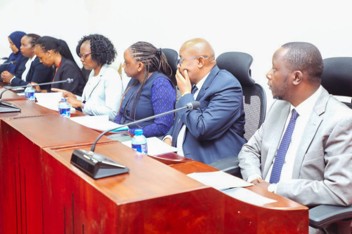
Appearing before the Senate Committee on Delegated Legislation on November 3, AGOK Vice Chairperson Paul Mutegi urged lawmakers to review specific sections of the regulations and introduce amendments to address concerns surrounding licensing fees, minimum capital requirements and regulatory compliance.
According to a report by the Parliament of Kenya, AGOK argued that the regulations were not developed in accordance with the procedural requirements of Part II of the Statutory Instruments Act. The association also maintained that some provisions conflict with the Act and other existing laws, contrary to the requirements of Part III.
A major concern for the association is the financial thresholds imposed on gaming operators. AGOK argued that the licensing fees and minimum capital requirements go beyond the legitimate costs of regulation and could create significant barriers to market entry, particularly for smaller businesses.
Under the Third Schedule of the Gambling Control (Licensing) Regulations 2026, online bookmakers are required to maintain minimum capital of KSh100 million (approximately US$770,000), while land-based bookmakers must hold at least KSh50 million (approximately US$385,000).
The association warned that these requirements could make it difficult for smaller operators to remain in the market.
The Gambling Control Regulations 2026 comprise six separate instruments covering licensing, gambling operations, foreign-based operators, advertising, the Gambling Appeals Tribunal and the National Lottery.
The dispute over the regulatory framework has been ongoing since April 2026, when industry operators raised objections to proposed licensing fees and other requirements. The matter subsequently went to court, with the High Court allowing most of the regulations to take effect in August while suspending increased licence fees and minimum capital requirements pending further review.
The legal proceedings remained unresolved in October after the court deferred its anticipated judgment and scheduled additional proceedings to allow interested parties more time to respond.
Mutegi also told the Senate committee that AGOK had previously attempted to engage government officials over its concerns. The association wrote to the Office of the Prime Cabinet Secretary on July 15 and August 6, 2026, seeking discussions on the disputed provisions.
Although the office referred the matter to the Gambling Regulatory Authority (GRA) and proposed a round-table discussion, AGOK said no consultation had taken place.
“No engagements have taken place to date, despite AGOK’s requests,” Mutegi told lawmakers.
The Senate committee is expected to continue examining the association’s concerns as discussions over the implementation and legal implications of Kenya’s 2026 gambling regulations continue.