

MOZAMBIQUE- Key stakeholders in Africa’s gaming ecosystem have called for stronger and more sustained collaboration among regulators across the continent, saying coordinated approaches are critical to tackling illegal gambling, strengthening responsible gaming and responding to emerging technological risks.
The call was made at GRAF 2026 in Maputo, Mozambique, where gaming regulators, industry leaders and technology stakeholders gathered to discuss the future of gaming regulation under the conference theme of “Regulation for Transformation.”
GRAF Vice President calls for MOUs among jurisdictions
Macario Gusse, Deputy General, Gaming Inspector and Vice President, GRAF, reinforced the importance of formalising regulatory cooperation.
Gusse said African jurisdictions need to strengthen the exchange of experiences and information, particularly in the fight against illegal gambling and illegal operators.
He proposed that regulators consider establishing Memorandum of Understanding (MOUs) between jurisdictions to create a formal legal framework for information sharing.
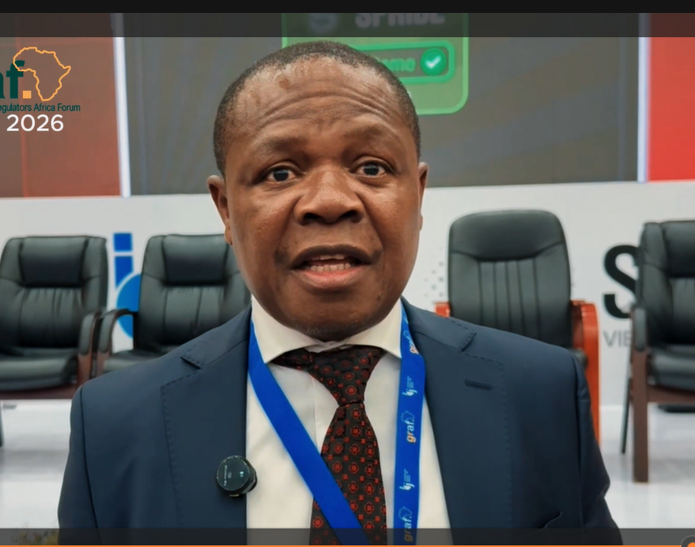
According to Gusse, confidentiality requirements can sometimes prevent regulators from exchanging information about operators and regulatory concerns. Formal agreements, he said, could help overcome these barriers and facilitate more effective cooperation.
He pointed to neighbouring countries such as South Africa, Malawi, Zimbabwe, Mozambique and Tanzania as examples of jurisdictions that could benefit from closer regulatory cooperation because of their shared borders and interconnected markets.
Regulators urged to strengthen cross-border cooperation
Samuel Roland, Chief Operations Officer of the Lagos State Lotteries and Gaming Authority (LSLGA) in Nigeria, said collaboration among African regulators should move beyond discussions at conferences and translate into practical cooperation between jurisdictions.
He identified grey markets and responsible gaming as some of the challenges facing African gaming markets and argued that greater regulatory cooperation could help create a more orderly and transparent industry.
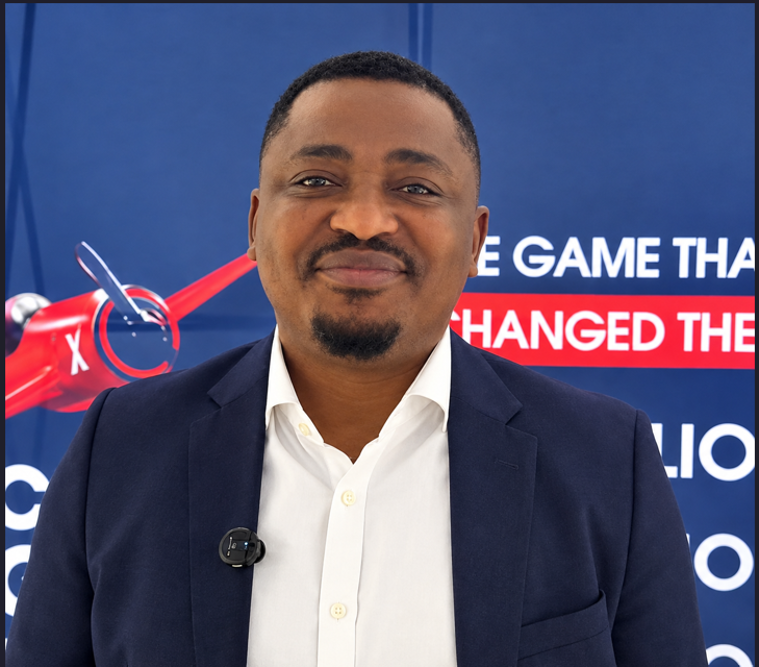
Roland said regulators could explore the principle of reciprocity, particularly in dealing with illegal operators operating across borders.
“If Nigeria is saying that operator A is illegal in Nigeria, and the operator has a licence in another country, then that operator should be illegal in that country,” he said, stressing that stronger collaboration would help regulators “sanitise the market better.”
GLI highlights cybersecurity and AI governance
Devon Dalbock, Vice President, Government & Regulatory Affairs, GLI, EMEIA also stressed the need for regulators to work together as the gaming ecosystem becomes increasingly interconnected.
According to Dalbock, the industry has evolved from relatively contained casino-based operations into a cloud-based ecosystem involving global suppliers, payment systems and technology platforms.
This interconnectedness, he noted, has introduced new risks, including cybersecurity, fraud and AI governance, which cannot be effectively addressed by individual jurisdictions operating in isolation.
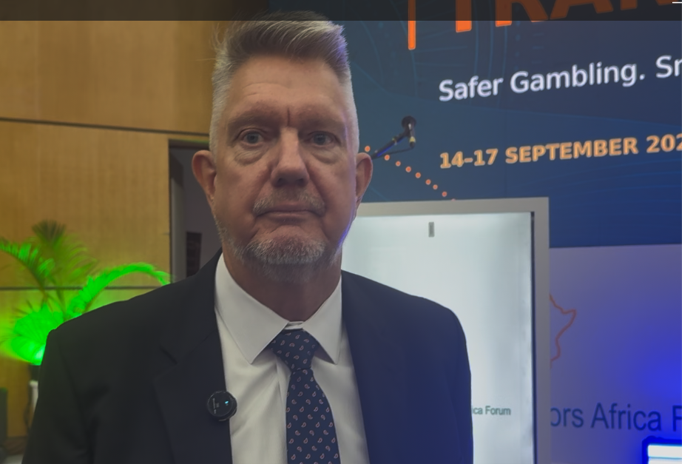
Dalbock urged regulators to establish ongoing mechanisms for cooperation rather than limiting collaboration to occasional industry conferences.
He also advocated for greater standardisation of regulatory requirements, particularly around cybersecurity incidents. Different reporting requirements across jurisdictions, he explained, can make it more difficult for suppliers to respond quickly when a cyber incident occurs.
“Standardize and collaborate,” Dalbock said, highlighting the need for regulators to develop coordinated approaches to emerging risks”.
Evidential AI backs technology-driven regulatory transformation
Ajibola Abdulkadir, Commercial Director at EvidentiaAI, said the conversations at GRAF 2026 were particularly important as African markets seek to build safer gambling environments and stronger regulatory systems.
Abdulkadir said collaboration would allow regulators to share ideas, standards and experiences across markets, including lessons on what is working and what needs improvement.
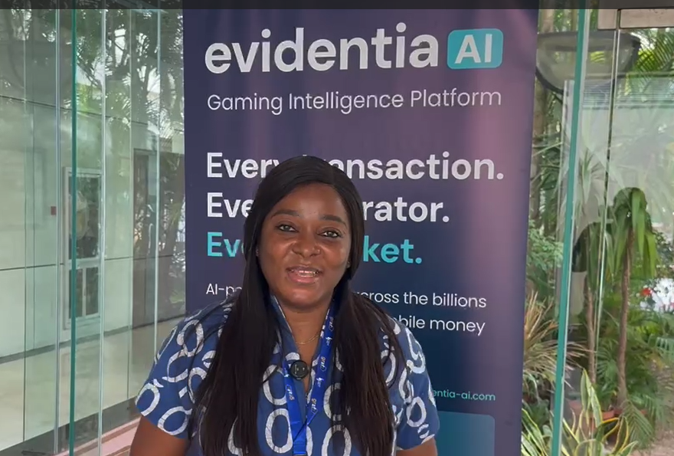
She added that EvidentiaAI was participating in the conversation by demonstrating how technology and innovation can improve regulatory visibility and support regulators in moving from reactive enforcement to proactive enforcement.
A more connected regulatory future
The discussions at GRAF 2026 highlighted a common message across regulators, technology providers and industry stakeholders: Africa’s gaming markets may operate under different national frameworks, but many of the challenges confronting them are shared.
From illegal and unlicensed gambling to cybersecurity, AI governance and cross-border operations, stakeholders increasingly see collaboration as a necessary component of effective regulation.
As African gaming markets continue to evolve, the push for stronger information-sharing mechanisms, greater regulatory coordination and formal agreements between jurisdictions could shape the next phase of the continent’s gaming regulatory landscape.