

From Competition to Collaboration: Inside the London Meeting That Could Shape the Future of African Gaming Regulation

For years, Africa’s gaming regulators have worked largely within the boundaries of their respective jurisdictions, responding to unique national priorities while facing many of the same industry challenges.
But in London, something different happened.
Away from the exhibition halls and commercial buzz of iGB LIVE 2026, a quieter yet arguably more consequential meeting brought together some of Africa’s most influential gaming regulators around one table. There were no licensing announcements or product launches. Instead, the conversation centred on a far bigger question:
How can Africa regulate one of the world’s fastest-growing gaming markets together rather than apart?
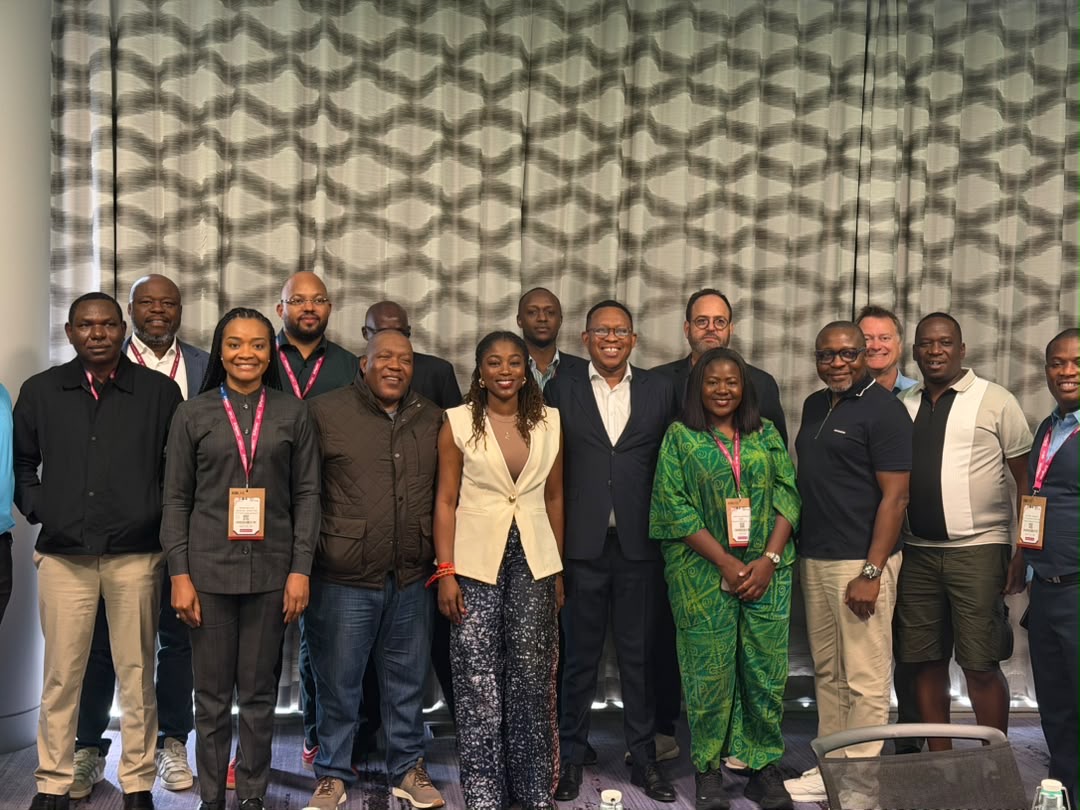
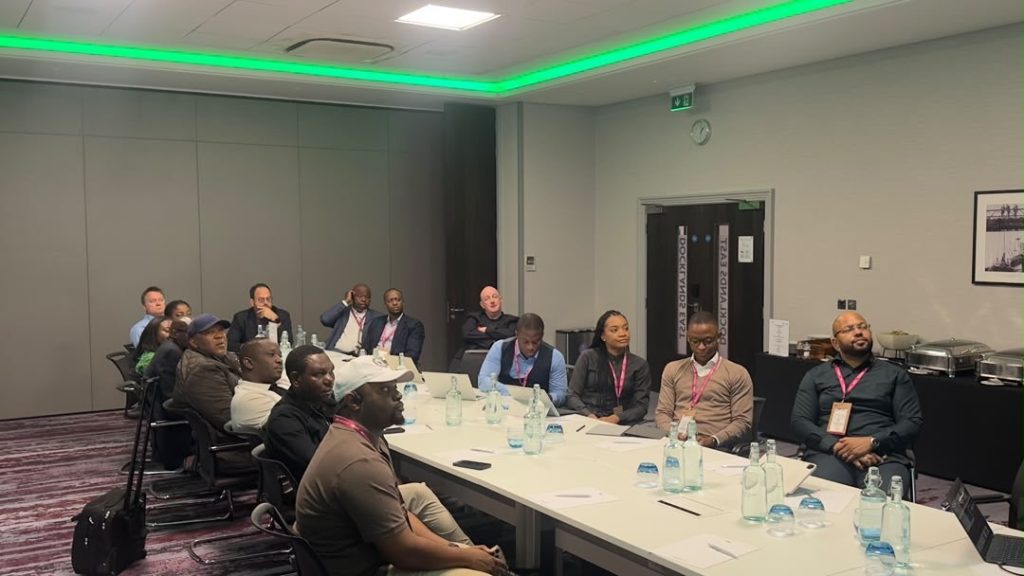
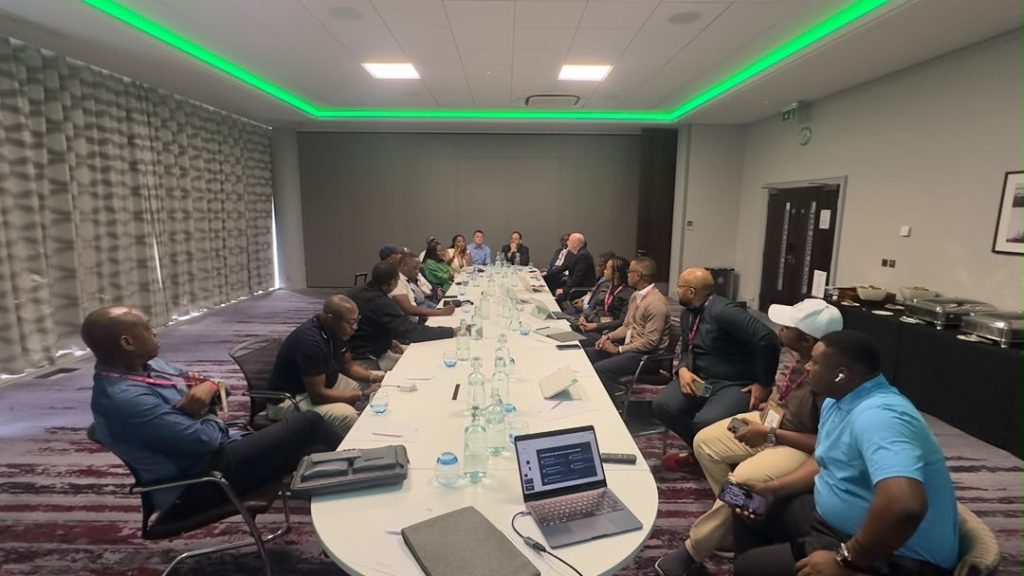
Organised by the African iGaming Alliance (AIA), the high-level regulatory roundtable assembled regulators from Nigeria, South Africa, Uganda, Malawi, Rwanda, Ghana, Tanzania, and Angola;a rare gathering that reflected the continent’s growing recognition that today’s gaming challenges no longer stop at national borders.
A Common Challenge Across Different Markets
Whether discussing mature markets such as South Africa or rapidly expanding jurisdictions like Rwanda and Tanzania, one theme repeatedly emerged.
Illegal operators, cross-border digital platforms, inconsistent tax policies, consumer protection, responsible gambling, and technological innovation are no longer domestic issues. They are continental ones.
As online gaming continues to erase geographical barriers, regulators acknowledged that isolated approaches are becoming increasingly difficult to sustain.
Instead, collaboration is beginning to replace competition.
That shift was evident from the calibre of participation.
Among those present were Bashir Are, Chief Executive Officer of the Lagos State Lotteries and Gaming Authority (Nigeria); Lungile Goodman Dukwana, Chief Executive Officer of South Africa’s National Gambling Board; Denis Mudene Ngabirano, Chief Executive Officer of Uganda’s National Lotteries and Gaming Regulatory Board; Muchanankhwaye Mpuluka, Director General of the Malawi Gaming and Lotteries Authority; Serge Nyombayire, Head of Gambling Licensing and Regulations at the Rwanda Development Board; Patrick Kwakye, Deputy Director of Ghana’s Gaming Commission; James Mbalwe, Director General of the Gaming Board of Tanzania; and Nerethz Tati, Director General of Angola’s Instituto de Supervisão de Jogos. Rather than presenting prepared speeches, participants openly exchanged experiences, regulatory successes, and practical lessons from their respective markets.
Rethinking Taxation
One discussion, in particular, resonated throughout the meeting. Traditionally, gaming taxation has been viewed primarily as a revenue collection tool. But regulators increasingly questioned whether taxation should also influence industry behaviour.
Industry experts from H2 Gambling Capital presented international evidence demonstrating how balanced taxation can encourage compliance, strengthen licensed markets, improve consumer protection, and ultimately generate more sustainable government revenues than overly punitive fiscal approaches.
The discussion echoed a growing school of thought emerging across several African jurisdictions: that successful regulation is not simply about collecting more tax—it is about creating an environment where compliant operators can compete effectively against illegal markets while maintaining strong responsible gambling standards. The conversation reflected a broader evolution in regulatory thinking. Rather than measuring success solely through tax receipts or enforcement actions, regulators are increasingly considering how policy decisions shape long-term market health.
Data Is Becoming the New Regulatory Currency
Another recurring theme was the importance of evidence-based regulation. Across Africa, many regulators continue to face challenges accessing reliable market intelligence, making it difficult to accurately assess market size, player behaviour, channel migration, illegal gambling activity, or emerging technological risks. Participants agreed that stronger regulatory decisions require stronger data. Without credible evidence, governments risk introducing policies that unintentionally drive consumers towards unregulated operators or reduce investment within licensed markets. As African gaming markets become increasingly digital, regulators acknowledged that technology, analytics, and information-sharing will become as important as traditional licensing and enforcement tools.
A Continental Response to Responsible Gambling
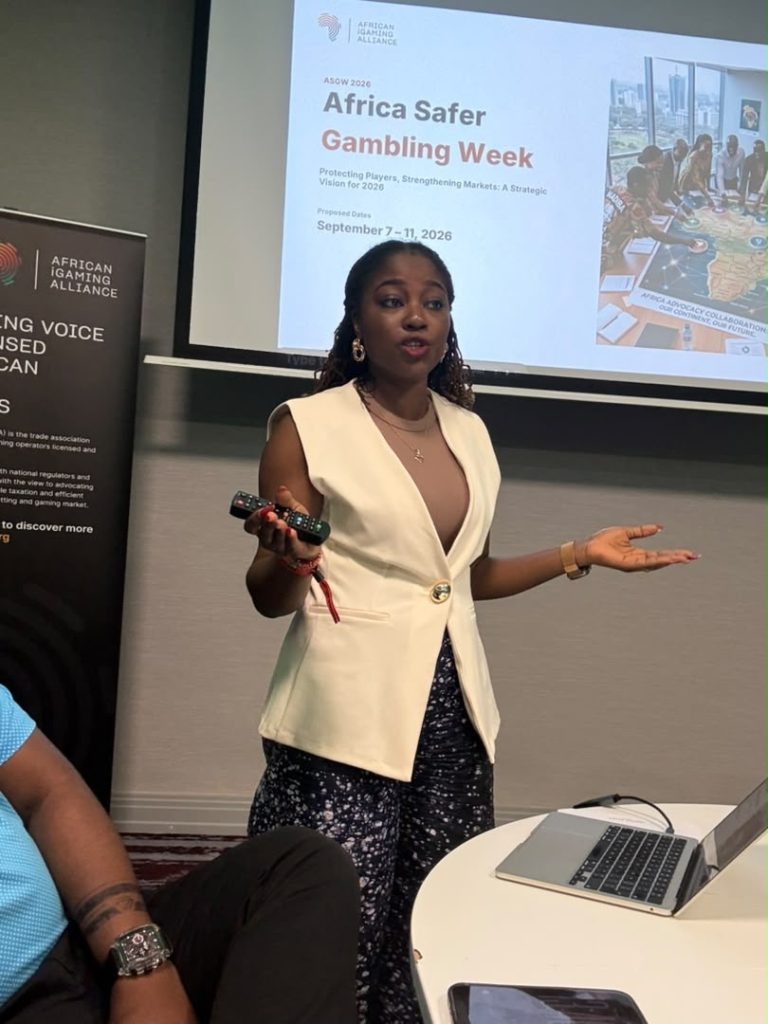
Perhaps the most widely welcomed proposal came from the African iGaming Alliance itself. During the meeting, the Alliance unveiled plans for an Africa Safer Gambling Week; a continent-wide initiative designed to bring regulators, operators, treatment providers, technology companies, and other stakeholders together around a common responsible gambling campaign.
Rather than each country operating isolated awareness programmes, the initiative seeks to create consistent messaging while allowing individual jurisdictions to adapt activities to their local contexts.
For operators working across multiple African markets, the proposal offers an opportunity for greater consistency in responsible gambling engagement.
For regulators, it represents another step towards coordinated regional cooperation.
More Than a Meeting
By the conclusion of the discussions, participants had agreed on several shared priorities.
These included strengthening collaboration among African regulators, promoting evidence-based policymaking, continuing dialogue around sustainable taxation models, increasing cooperation against illegal gambling, and supporting the development of Africa Safer Gambling Week.
While no formal treaty was signed, the significance of the meeting lay elsewhere. It demonstrated that Africa’s regulators increasingly recognise they face common challenges that require common solutions.
The Industry Is Watching
For operators, the message from London was equally significant. Regulators are not seeking to stifle industry growth.
Instead, they are increasingly focused on creating markets that are predictable, transparent, commercially sustainable, and centred on consumer protection.
For technology providers, compliance firms, and investors, the discussions signal growing demand for regulatory technology, data intelligence, responsible gambling solutions, and cross-border collaboration.
For players, stronger cooperation among regulators ultimately means safer gambling environments, improved consumer safeguards, and greater confidence that licensed operators are being held to increasingly consistent standards.
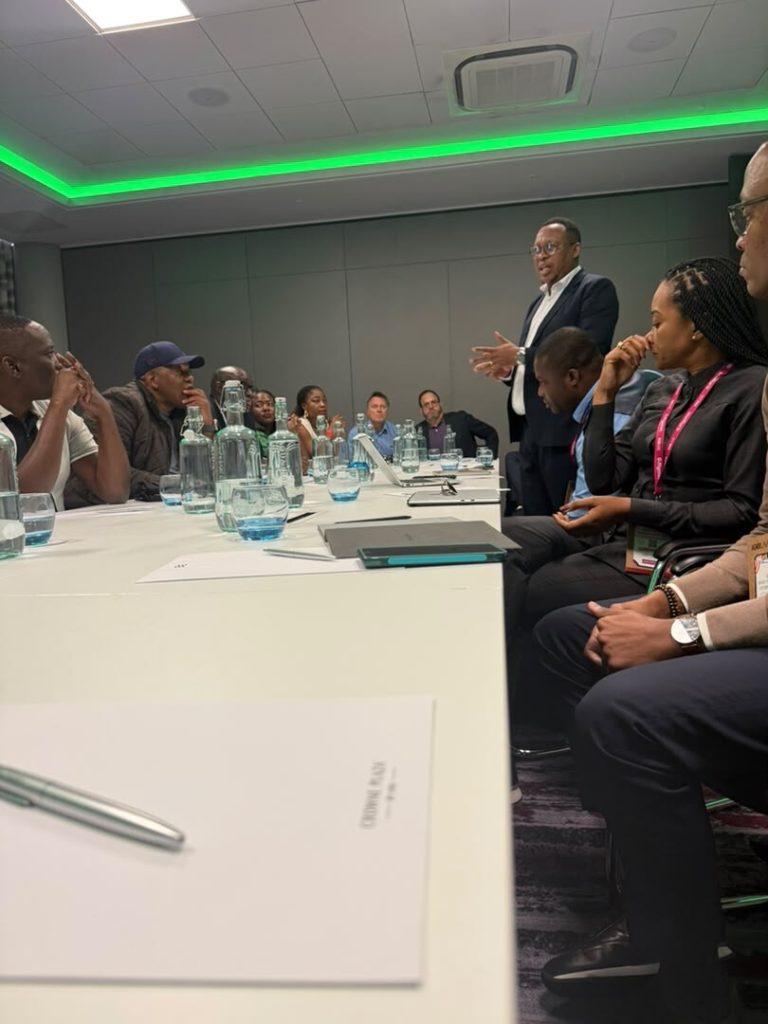
Reflecting on the meeting, Peter Emolemo Kesitilwe, Chief Executive Officer of the African iGaming Alliance, noted that Africa’s gaming industry is expanding at an unprecedented pace, making regulatory collaboration more important than ever.
He observed that the discussions reflected a collective commitment among regulators to exchange knowledge, address common challenges, and strengthen regulatory frameworks capable of supporting responsible gambling, consumer protection, and sustainable industry growth.
As Africa’s gaming sector continues its rapid transformation, the London meeting may well be remembered not for the announcements it produced, but for the relationships it strengthened.
Because in a digital industry without borders, the future of regulation may depend less on what individual countries achieve alone and more on what Africa builds together.