

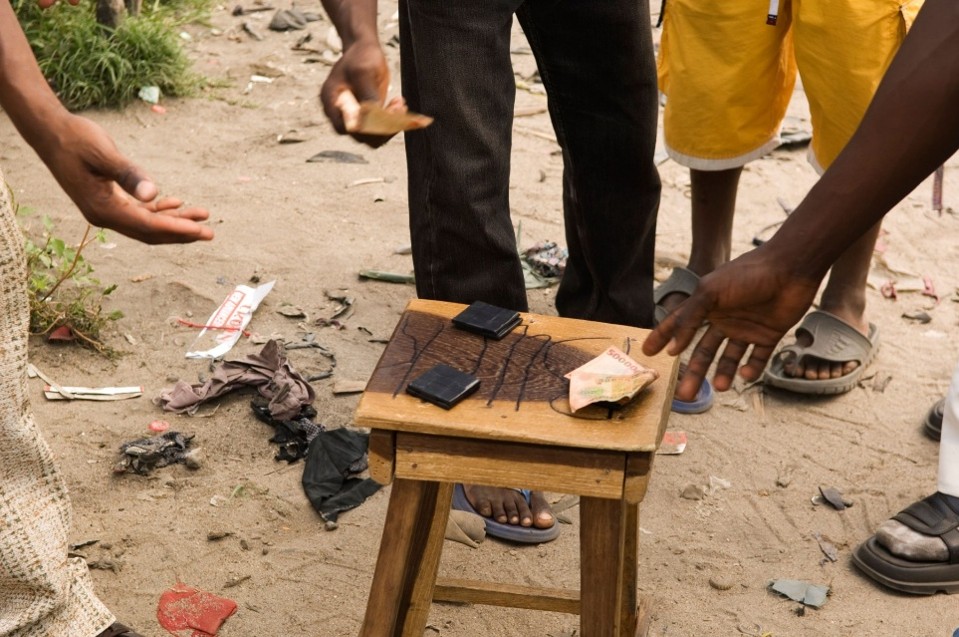

Samuel, a 20‑year‑old logistics coordinator in Kano, Nigeria, never thought of himself as a gambler. Like many of his peers, he occasionally placed small bets on football matches through apps advertised on social media. One evening in 2025, he deposited three thousand naira into a sleek, foreign‑branded platform. The odds looked promising, but when he tried to withdraw his winnings, the app stalled. Within a week, it disappeared entirely.
Samuel had no regulator to call, no licensed address to contact, and no way to recover his money. His experience is far from unique; it reflects the risks millions of Africans face in an unregulated gambling environment. And it is precisely these stories that are reshaping how governments across the continent now approach gambling regulation.
THE AWAKENING
Something significant is happening across Africa’s gambling landscape, and it is happening at a pace that the rest of the world is only beginning to appreciate. For the better part of two decades, gambling regulation on the continent was characterised by fragmentation, inconsistency, and what might most charitably be described as managed neglect. Operators could exist in grey areas. Enforcement was episodic at best. Consumer protection, where it existed at all, was more aspiration than architecture. That era is ending and it is ending with conviction.
From the landmark Supreme Court ruling in Nigeria that in November 2024 definitively assigned gambling regulation to state governments rather than the federal centre, to Kenya’s sweeping Gambling Act of 2025 that dissolved the old Betting Control and Licensing Board and replaced it with a far more powerful Gambling Regulatory Authority, to Uganda’s Parliament passing a unified gambling tax reform in 2026, the signals are consistent and unmistakable. African governments are no longer watching the gambling industry from a cautious distance. They are stepping into it, regulating it, taxing it, and shaping it with a level of deliberateness that would have seemed ambitious just five years ago.
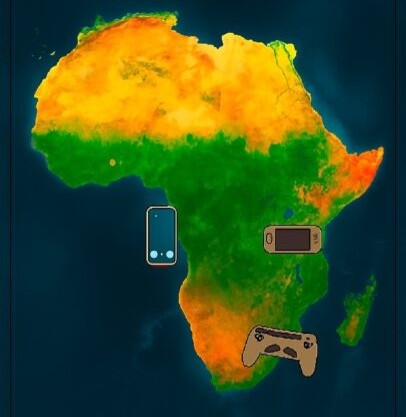
What changed? The answer is, quite simply, scale. Africa’s gambling market on track to reach $11.27bn by 2032. This has become too large to leave to chance. With 349 million active gamers across the continent and daily sports betting wagers in Nigeria alone exceeding ten billion naira, governments can no longer afford to treat gambling as a social footnote. It is an economic force, one that generates jobs, taxes, foreign investment, and, when left ungoverned, considerable harm.
THE REGULATORY REVOLUTION THAT IS ALREADY HAPPENING
The transformation underway is not uniform, but it is accelerating across every major market on the continent, and the architecture being built today will define the industry for the next generation.
In Nigeria, the most populous and commercially significant gambling market in Africa, the post-Supreme Court landscape has reshaped everything. With state governments now confirmed as the primary regulatory authority, bodies like the Lagos State Lotteries and Gaming Authority have moved with remarkable speed to professionalise their frameworks. Lagos introduced a flat 11% Gross Gaming Revenue tax from January 2026, launched SafePlay: a centralised, state-mandated self-exclusion programme and at the Africa Gaming Expo 2026, its CEO Bashir Are made an announcement that sent a clear message across the continent: an African-wide blacklist of non-compliant operators was being implemented. “Harm to one,” he declared, “is harm to all.” That is not the language of a regulator managing an industry at arm’s length. That is the language of an institution that has decided it owns the responsibility of protecting its market.
Uganda, in 2026, passed the Lotteries and Gaming Amendment Bill, replacing its previous patchwork of varying tax rates with a single unified rate of 30% across all betting and gaming activities. The reform was designed to simplify enforcement, reduce disputes, and ensure that the government captures its fair share of a fast-growing industry.
Gabon, meanwhile, has demonstrated what serious regulatory enforcement looks like at the operational level. The Gabonese Gaming Authority issued formal warnings in April 2026 that all legacy gambling licences would be invalidated by July 7th unless operators completed full relicensing under the new framework.

And across the continent, the Association of Gaming Regulators in Africa is pursuing something even more ambitious, a unified continental licensing and taxation framework that would allow regulators to speak with one voice, share intelligence, and coordinate enforcement across borders. It is a vision that would have seemed utopian a decade ago. Today, it is a working agenda item.
THE FOUR FORCES SHAPING THE FUTURE
Looking ahead, four powerful forces are converging to determine what African gambling regulation will look like in the decade ahead and understanding them is essential for every operator, investor, and policymaker with skin in the game.
The first force is technology. The most consequential shift in African gambling regulation over the next five years will not be legislative. It will be technological. Regulators are increasingly demanding real-time monitoring systems that give them live visibility into gaming activity by tracking wagers, monitoring withdrawals, flagging anomalies, and feeding accurate data to tax authorities. EvidentiaAI Africa and other tech companies has keyed into this market force. The era of periodic reporting and after-the-fact compliance is giving way to always-on, data-driven oversight and the regulators who build this infrastructure earliest will have the most credible and effective frameworks on the continent.
The second force is cross-border cooperation. African gambling does not respect national borders. An operator licensed in Malta can serve a player in Lagos. A platform registered in Gibraltar can take bets from Nairobi. A fraudulent scheme based in one country can victimise players in five others. For African regulators working within single-jurisdiction frameworks, this cross-border reality has historically been one of the most intractable challenges they face. But it is a challenge they are now addressing with growing seriousness. The African blacklist announced at AGE 2026, the cross-border cooperation discussions at the Gaming Tech Summit Africa, and the AGRA harmonisation agenda all point toward a future in which African regulators function as a network rather than as isolated national bodies sharing intelligence, coordinating enforcement, and presenting a unified front to operators who might otherwise exploit jurisdictional gaps.
The third force is responsible gaming. Across the continent, mandatory self-exclusion programmes, youth protection frameworks, advertising restrictions, and responsible gaming training requirements for operators are all being embedded into licensing frameworks. The regulator who grants a licence to a company that exploits vulnerable players will be held accountable and African regulators are increasingly aware of that accountability.
The fourth force is localisation. Perhaps the most distinctly African dimension of the regulatory future is the insistence on local relevance, local ownership, and local benefit. Kenya’s 30% local ownership requirement is one expression of this force. Nigeria’s emphasis on community reinvestment and local employment is another. The pan-African push for culturally appropriate responsible gaming messaging in Hausa, Swahili, Yoruba, French, and the dozens of other languages spoken by African bettors. This reflects the same underlying conviction: that an industry drawing its revenue from African communities must be structured to give meaningfully back to those communities.

THE CHALLENGES THAT REMAIN
It would be dishonest to tell this story as though the road ahead is smooth. The illicit and unregulated sector continues to flourish. Across Africa, unlicensed many operators operating entirely online from foreign jurisdictions continue to serve millions of African players outside any regulatory framework. These are the platforms that Samuel in Kano was using when his winnings disappeared. Addressing this challenge requires not just domestic regulation but international cooperation, payment system restrictions, and the kind of cross-border intelligence sharing that is still in its early stages.
THE STORY THAT IS BEING WRITTEN
Samuel eventually reported his experience to a community consumer group, who could do little beyond sympathise. He moved on, wiser if not wealthier, and resumed his betting on a platform he had been told was properly licensed.

He is, in the truest sense, the reason that African gambling regulation matters. Not as an abstraction. Not as a revenue source. But as a real person, making real financial decisions with real consequences, who deserves the protection of a framework that is honest, competent, and genuinely accountable to his interests.
The future of gambling regulation in Africa is not yet written. But for the first time in the industry’s continental history, the people writing it: the regulators, the legislators, the enforcement officers, and the industry leaders who are choosing to operate transparently are writing it with Samuel in mind.
And that, more than any statistic or summit declaration, is the most significant development of all.