



Data-Driven Regulation Takes Centre Stage as African Gaming Stakeholders Push for Smarter Player Protection

MOZAMBIQUE– The growing digitisation of Africa’s gambling industry is driving regulators and industry stakeholders to explore data-driven and non-intrusive technologies as tools for strengthening regulatory oversight and protecting players.
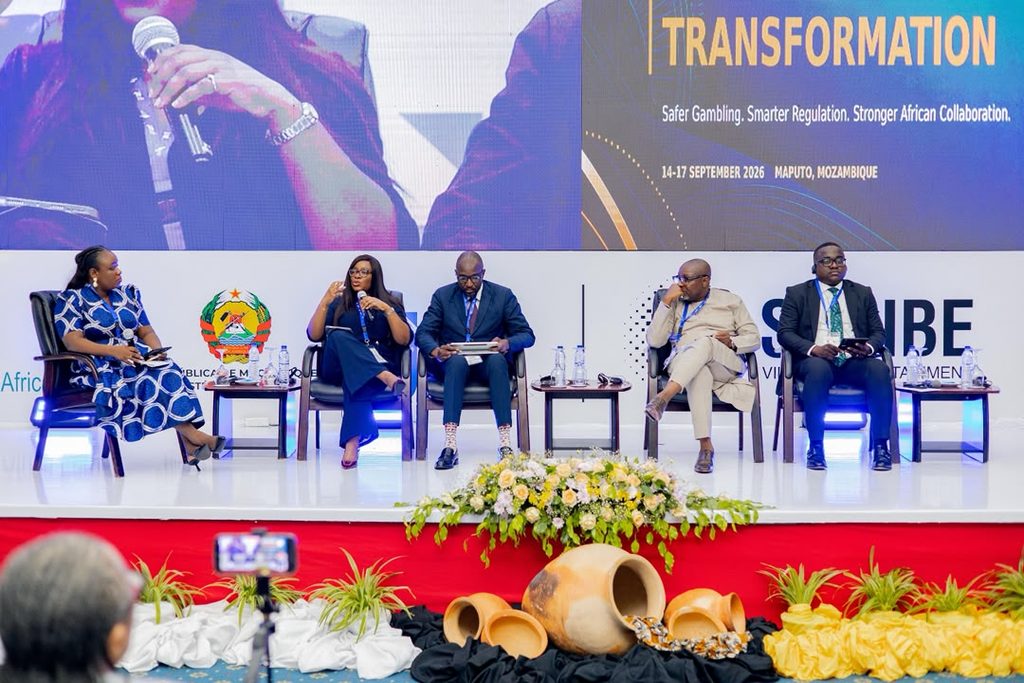
The issue took centre stage at the Gaming Regulators Africa Forum (GRAF) in Maputo, Mozambique, during a panel session sponsored by Policy Vault and focused on “The Data-Driven Regulator: Utilizing Non-Intrusive Tech to Enforce Responsible Gaming.”
The session examined how regulators can deploy technologies such as API-based monitoring and real-time data systems to identify emerging risks, improve player protection and strengthen regulatory oversight, while balancing data privacy, commercial interests and innovation.
Moderated by Ms Omotayo Okewunmi, Senior Adviser, PlaySafeAfrica, the discussion brought together regulatory and industry experts who shared perspectives on data integration, artificial intelligence, cybersecurity, consumer protection and cross-border regulatory cooperation.

EvidentiaAI Calls for Testing to Become Part of Pre-Licensing
Speaking during the session, Ajibola Abdulkadir, Commercial Director at EvidentiaAI, identified three priorities she said could help regulators build a more modern, protective and collaborative gaming ecosystem across Africa.

She called for technical testing to be formally integrated into mandatory pre-licensing requirements, rather than being treated as a separate or preliminary process.
Abdulkadir also stressed the importance of regional regulatory collaboration, urging African regulators to share best practices, compare experiences and present practical case studies of successful regulatory approaches instead of operating in isolation.
Her third priority was proactive consumer protection and early intervention.
According to her, regulators, operators and government agencies need to work together to study player behaviour and identify potential risks before they escalate into serious harm.
She argued that aligning regulatory standards, strengthening cross-border cooperation and placing player protection at the centre of regulatory frameworks could help translate the continent’s regulatory ambitions into measurable outcomes.
DRC Highlights Centralised Monitoring and Real-Time Data
For Didier Bobwa, Head of IT, Gambling and Games Monitoring in the Democratic Republic of Congo (DRC), technology is increasingly central to the country’s approach to regulating gambling and digital payments.
He highlighted the DRC’s Central Monitoring System and its role in connecting gaming operators, payment providers and regulatory authorities.
The system integrates data from mobile money platforms and gaming operators, creating a centralised flow of information for regulatory monitoring. Operators are required to capture relevant player identification information, while payment intermediaries provide corresponding transaction data.
According to Bobwa, the approach gives regulators greater visibility into gaming activity while supporting non-intrusive supervision and data security.
The technology is also being used to support responsible gaming objectives by identifying patterns that could indicate high-risk gambling behaviour, unusually large financial flows and potential indebtedness.
He further highlighted the importance of cybersecurity and data sovereignty, noting that regulatory frameworks must be supported by server security testing, regular system audits and incident-response measures to protect sensitive information.
Lagos Gaming Authority Advocates Multi-Source Data
Bashir Are, Chief Executive Officer of the Lagos State Lotteries and Gaming Authority, focused on the limitations of relying on data from individual operators when assessing player risk.
He argued that a single transaction or an individual operator’s data cannot provide regulators with a complete picture of a player’s gambling behaviour.
A player who appears to be engaging responsibly on one platform, he noted, could simultaneously be exhibiting high-risk behaviour across several other platforms.
Are therefore advocated for a multi-source data architecture that enables regulators to assess player activity across licensed operators.
He pointed to several potential blind spots in single-operator monitoring, including players distributing activity across multiple platforms, high-frequency transactions that may not immediately appear problematic, and traditional reporting systems that provide historical rather than real-time information.
He highlighted technologies including AI-powered interactive systems, digital data-collection channels and centralised data integration as potential tools for addressing these gaps.
The approach, he suggested, could allow regulators to identify indicators such as rapidly increasing deposit frequency, significant increases in time spent gambling and cross-platform activity that may be intended to circumvent individual operator limits.
By aggregating information across platforms, regulators could gain a broader view of player behaviour and potentially intervene earlier when risk indicators emerge.
Botswana Highlights the Value of Unexpected Consumer Data
Meanwhile, Moruntshi Kemorwale, Chief Executive Officer of the Gambling Authority of Botswana, highlighted how artificial intelligence can provide regulators with insights beyond traditional regulatory data.

Speaking about an AI-powered chatbot initiative designed to engage consumers and facilitate data collection, Kemorwale explained that initial interactions largely fell into two expected categories: complaints and general enquiries about available services.
However, analysis of the responses also revealed a significant volume of feedback relating to consumer interests and needs that had not initially been anticipated by the authority.
The experience, he said, demonstrates the value of taking a consumer-centric, data-driven approach to regulation.
Rather than relying solely on existing industry models to shape regulatory frameworks, authorities can use real-time consumer data to better understand emerging expectations and concerns.
Kemorwale emphasised that predictive and interactive technologies could give regulators more direct insight into consumer demand and support the development of regulatory policies that are more responsive to changing market realities.
A Shift Towards Proactive Regulation
Across the panel, a common theme emerged: Africa’s increasingly digital gaming market requires regulators to move beyond fragmented, reactive oversight towards real-time, data-informed and collaborative regulation.
From centralised monitoring and AI-powered consumer engagement to cross-platform data integration and stronger regional cooperation, the panellists highlighted technology as an increasingly important component of responsible gaming enforcement.
The discussion also underscored the need to balance these innovations with data privacy, cybersecurity, commercial interests and consumer rights as African jurisdictions work towards more connected and effective regulatory systems.