



Tanzania Introduces 5% Betting Stakes Tax in Push to Boost Revenue andStrengthen Gambling Oversight

The Tanzanian government has announced plans to introduce a 5% excise duty on
betting stakes as part of its 2026/27 national budget, a move expected to generate
approximately TZS 75 billion (US$28.4 million) in additional revenue annually.
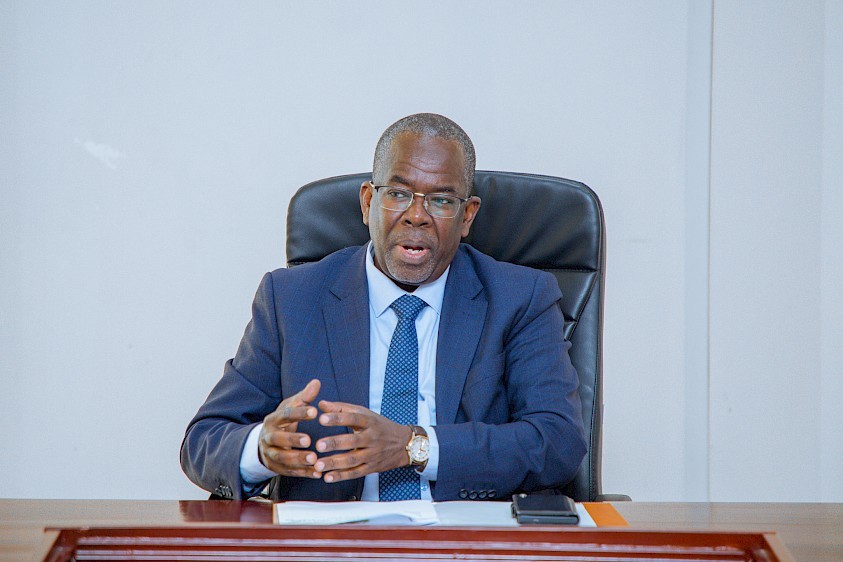
Presenting the budget proposals, Minister of Finance Khamis Mussa Omar
disclosed that the new levy will apply across all segments of the gambling industry,
including online and retail sports betting, casino gaming, slot machine operations,
and virtual games.
The measure forms part of the government’s broader strategy to increase public
revenue from the rapidly growing gaming sector while strengthening regulatory
oversight and responsible gambling initiatives.
Under the proposal, 10% of the revenue generated from the excise duty will be
allocated to the Gaming Board of Tanzania (GBT) to support regulatory activities,
enhance operational efficiency, improve monitoring capabilities, and fund
programmes aimed at addressing gambling-related harm.
The government also raised concerns over increasing gambling participation
among young people, warning that excessive gambling could have wider social
and economic implications. According to the Finance Minister, there is a need to
strike a balance between supporting industry growth and safeguarding public
welfare, particularly among vulnerable groups.
The introduction of the tax reflects a growing trend across African markets where
governments are seeking to capture greater fiscal value from the gaming industry
while simultaneously strengthening consumer protection frameworks and
responsible gambling measures.
If approved, the new excise duty is expected to come into effect on 1 July 2026.
The development is likely to be closely monitored by operators and industry
stakeholders, as the additional tax burden could have implications for betting
behaviour, operator margins, and overall market dynamics. However, the
government’s decision to earmark a portion of the revenue for regulatory
strengthening may also contribute to a more robust and sustainable gaming
environment in the long term.
The proposed measure underscores Tanzania’s increasing focus on balancing
revenue generation, industry regulation, and responsible gambling as the
country’s gaming sector continues to expand.