



ZAMBIA– Zambia government has unveiled plans to strengthen and expand its betting tax regime through proposed measures in the 2027 national budget, targeting online betting, mobile lotteries, and gaming levy collection across the gaming industry.
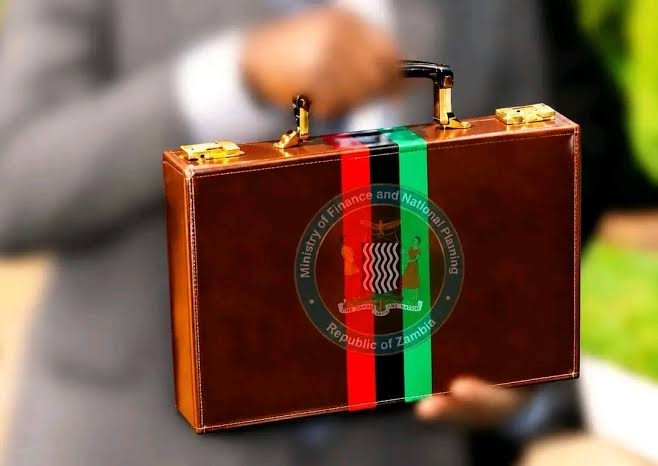
The proposals, announced by Finance Minister Situmbeko Musokotwane and outlined by the Zambia Revenue Authority (ZRA) on November 6, include changes affecting online betting, mobile lotteries and other gaming activities. The government also plans to introduce inspection fees for betting premises and lottery operations, alongside additional compliance requirements for agents responsible for collecting betting levies.
Under the proposed amendments, revenue generated from online betting will continue to be subject to the Betting Levy rather than income tax. This maintains the framework introduced in January 2026, under which a 5% levy applies to deposits and withdrawals from customer betting accounts. Operators will also remain responsible for submitting monthly returns and making payments within 10 days after the end of each month.
The government further intends to extend the levy to mobile phone lotteries and other gaming activities that currently fall outside the account-based system. However, the proposed measures have not yet provided details on how these transactions will be assessed or how the levy will be collected.
The proposals follow a period of uncertainty in Zambia’s betting industry after the government introduced a 10% excise duty on betting stakes in 2025. The measure faced legal challenges involving operators such as Betway and betPawa, while some companies suspended or reduced their operations amid concerns over the tax burden.
Through the 2027 budget proposals, Zambia is seeking to refine its Betting Levy framework, broaden the range of gaming activities covered by the tax and establish clearer compliance obligations for operators and collection agents.
The proposed changes form part of the government’s wider efforts to strengthen oversight of the gaming sector and improve its contribution to national revenue.